What is AI Visibility Optimization and why does it matter?
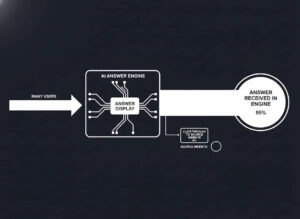
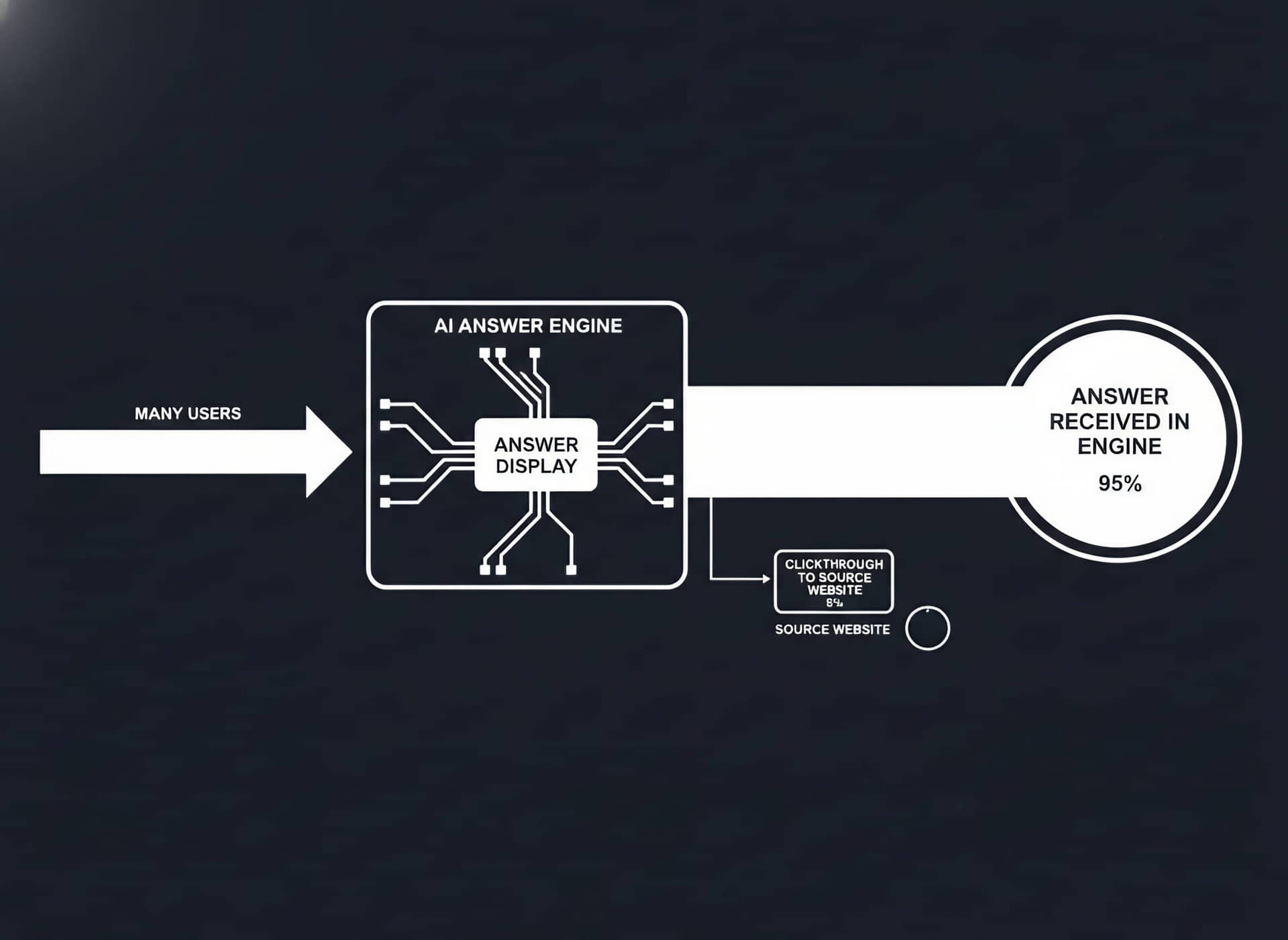
AI Visibility Optimization is the practice of making content readable and extractable by artificial intelligence systems. It matters because AI answer engines now bypass traditional blue link results. Users get direct answers without clicking your website. This changes how brands gain visibility and authority online.
Traditional search engines display ten blue links. Users click one. AI answer engines display one direct answer. Users read it and leave. Your website loses that click. However, if the AI cites your content, your brand gains exposure. This trade off requires new strategies. You must optimize for machine reading first. Clear sentences, logical structure, and verified facts become more valuable than keywords or backlinks. AI systems pull from trusted, well organized sources. They ignore fluff and marketing language.
Consider how ChatGPT or Google AI Overviews work. They scan multiple websites. They extract the most common and consistent answer. Then they present it in plain language. Your content must be that source. If your writing is vague or contradictory, the AI ignores you. If your writing is precise and structured, the AI quotes you. This is AI Visibility Optimization. It is not optional for professional websites.
Three factors determine AI visibility:
- Semantic clarity: Each sentence has one clear meaning.
- Structural consistency: Headings, lists, and tables follow predictable patterns.
- Factual alignment: Your claims match other authoritative sources.
How does AI Visibility Optimization differ from traditional SEO?
Traditional SEO optimizes for search engine ranking algorithms that reward links and domain age. AI Visibility Optimization optimizes for language models that reward clarity, structure, and factual precision. The two approaches serve different retrieval systems and require different tactics.
Traditional SEO emerged in the late 1990s. It focused on keywords, meta tags, and backlinks. Search engines like Google used PageRank to measure authority. More links meant higher ranking. Content length mattered. Ten blue links appeared on page one. Users chose which link to click. Marketers optimized for clicks and time on site.
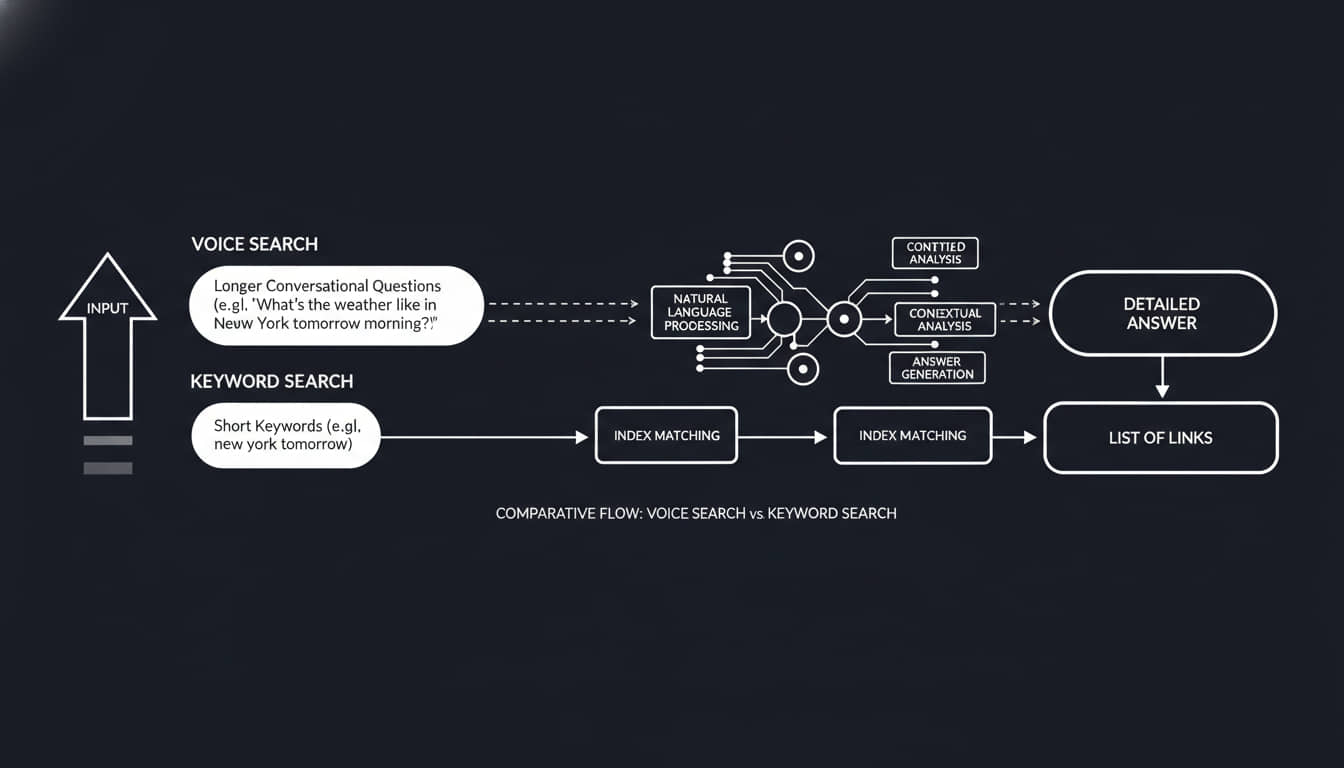
AI answer engines work differently. They do not show ten links. They show one answer. They do not rank pages. They extract sentences. They do not measure backlinks directly. They measure how often multiple sources agree on a fact. If ten websites say the same thing, the AI trusts that fact. If one website says something different, the AI ignores it. This changes optimization completely.
Key differences include:
- Traditional SEO rewards unique content. AI Visibility rewards consistent content.
- Traditional SEO rewards long form articles. AI Visibility rewards direct answers.
- Traditional SEO measures clicks. AI Visibility measures citations.
- Traditional SEO uses backlinks for authority. AI Visibility uses factual agreement.
You cannot abandon traditional SEO. Search engines still exist. But you must add AI Visibility Optimization. The hybrid approach protects your traffic today and builds visibility for tomorrow.
What is the future of SEO in an AI driven search world?
The future of SEO is a hybrid model where zero click visibility becomes a primary success metric. Websites will optimize for AI extraction first and human clicks second. Traditional ranking factors will decline. Answer accuracy and structured data will rise in importance.
Industry analysts predict that 25 percent of all searches will go through AI answer engines by 2026. This does not mean SEO dies. It means SEO evolves. The core skills remain the same: keyword research, content structure, technical optimization. But the goals change dramatically. You no longer fight for position one. You fight to be the source the AI trusts.
Several trends define this future. First, entity based optimization replaces keyword based optimization. AI systems understand people, places, and things as entities. You must define your entities clearly. Second, structured data becomes mandatory. Schema markup tells AI what your content means. Third, original research gains massive value. AI systems prioritize unique data that cannot be found elsewhere. Fourth, brand authority shifts from backlinks to citation frequency. How often do AI models quote your website?
Prepare for these changes now. Audit your current content. Identify which pages AI systems already quote. Expand those pages with more structured data and verified facts. Remove vague or contradictory statements. The future of SEO rewards precision, not volume.
What does the end of the click mean for website owners?
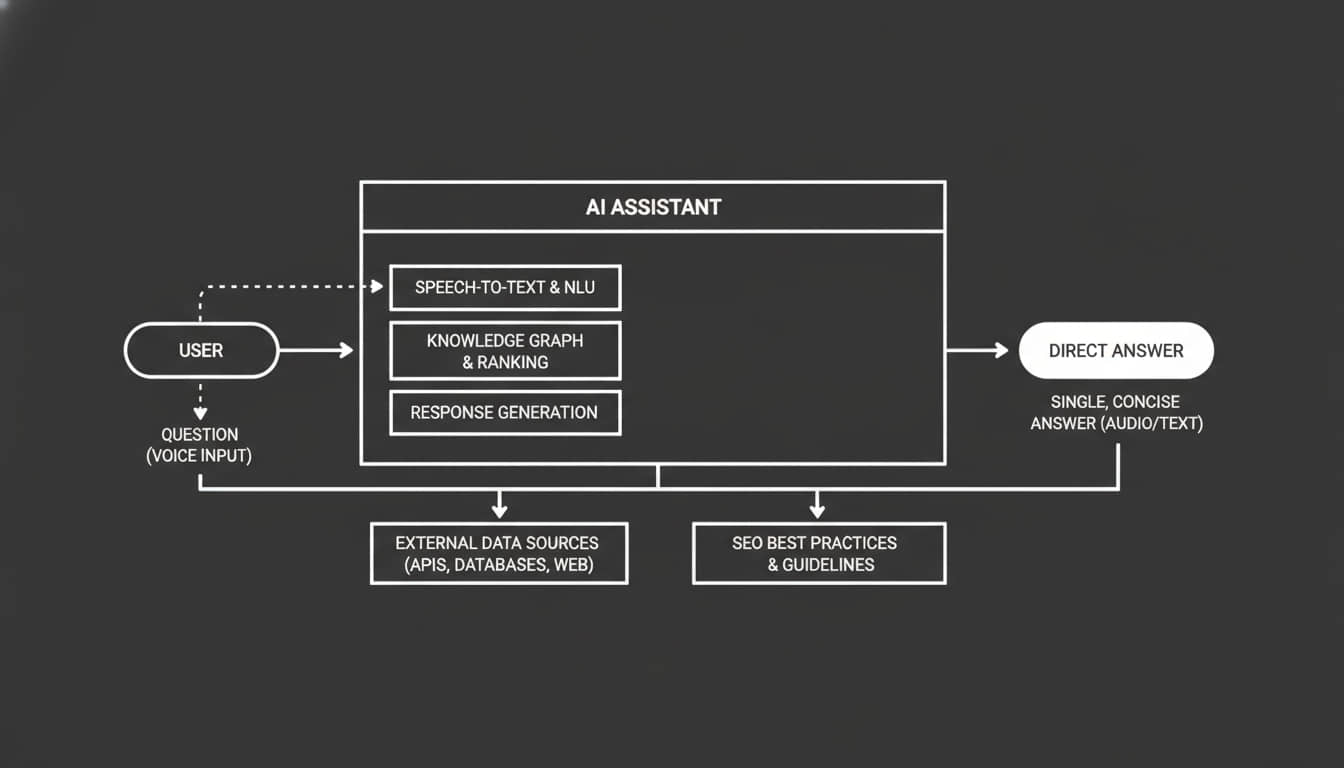
The end of the click means users receive answers without visiting your website. Traditional traffic metrics become less reliable. Website owners must shift from measuring clicks to measuring brand mentions and direct navigation. Visibility replaces visits as the primary goal.
This sounds frightening. Many website owners panic when they hear “end of the click.” But the change is manageable. Consider how radio worked before television. Advertisers measured reach, not visits. Then television arrived. Advertisers adapted. The same happens now. AI answer engines are a new distribution channel. You must learn to measure success differently.
Implement these tracking methods:
- Brand mention monitoring: Use tools that scan AI outputs for your domain name.
- Direct traffic analysis: Track users who type your URL after seeing AI answers.
- Zero click conversion rate: Measure how many AI impressions lead to later site visits.
- Share of voice in AI answers: Calculate what percentage of relevant queries cite your content.
Real world example: A cooking website loses 40 percent of its search traffic to AI overviews. However, its brand name appears in 15 percent of all recipe related AI answers. Direct traffic grows by 25 percent as users remember the brand. The website wins. This is the end of the click. It rewards brand building, not click bait.
How can you optimize content for AI answer engines?
Write one clear answer per paragraph. Use question based headings. Add structured data to every page. Keep sentences short. Verify all factual claims. Publish original data. Remove marketing fluff. These actions make your content machine readable and AI friendly.
Start with a content audit. Review your ten most visited pages. Ask these questions: Does each paragraph answer one specific question? Can an AI extract a single fact from each sentence? Are your headings written as complete questions? If you answer no to any question, rewrite that section. This is not difficult. It requires discipline.
Next, implement technical improvements. Add FAQ schema to question and answer pairs. Add HowTo schema to step by step instructions. Add QAPage schema to individual answers. Use Speakable schema for sections you want AI voice assistants to read aloud. Test all markup with Google Rich Results Tool. Fix errors immediately.
Finally, publish original research. AI systems crave unique data. Run a survey. Analyze your internal data. Create a dataset. Publish it with clear methodology and downloadable CSV files. AI models will cite your original research frequently. This builds long term authority. Competitors cannot copy your original data easily.
What role does structured data play in AI Visibility Optimization?
Structured data provides explicit machine readable labels for content elements. It tells AI systems exactly what each sentence, list, or table means. Without structured data, AI must guess. With structured data, AI extracts confidently and accurately.
Think of structured data as a translation layer. Your human readers see beautiful paragraphs. AI systems see code that says “this is a definition” or “this is a step in a process.” Schema.org provides the vocabulary. You add schema markup to your HTML. Search engines and AI models read that markup. They trust it more than plain text because it follows a standard format.
Which schema types matter most for AI visibility?
- FAQ schema: For any question and answer pair on your site.
- HowTo schema: For instructions with steps and images.
- QAPage schema: For individual answers to specific user questions.
- Article schema: For news and blog content with dates and authors.
- TechArticle schema: For technical documentation and API references.
- Dataset schema: For original research, tables, and data files.
Implementation is straightforward. Use JSON LD format inside a script tag. Place it in the head or body of your HTML. Test with Schema.org validator. Most content management systems offer plugins for common schema types. Use them. Custom development may be required for advanced types like Dataset. The investment pays back through higher AI citation rates.
How do you measure success in AI Visibility Optimization?
Success is measured through four metrics: AI citation frequency, answer accuracy score, zero click conversion rate, and structured data coverage. Traditional metrics like click through rate and time on site become secondary indicators at best.
Set up measurement systems before you optimize. You cannot improve what you do not track. Start with a baseline. Run AI queries relevant to your industry. Use ChatGPT, Google AI Overviews, and Bing Chat. Record how often your brand appears. Record whether the AI extracts your content correctly. This is your baseline AI citation frequency.
Track these four metrics monthly:
- AI citation frequency: Number of times AI systems quote your domain across 100 relevant queries. Target above 10 percent.
- Answer accuracy score: Percentage of citations where the AI extracts your meaning correctly. Target above 95 percent.
- Zero click conversion rate: Percentage of users who see your brand in an AI answer and visit your site within 24 hours. Target above 5 percent.
- Structured data coverage: Percentage of your pages with valid schema markup. Target 100 percent.
Use brand monitoring tools. Several software platforms now scan AI outputs for brand mentions. Set up alerts. Review reports weekly. When citation frequency drops, investigate. Maybe your content became outdated. Maybe a competitor published better data. Update and republish. AI systems re crawl frequently. You can recover lost visibility within weeks, not months.
Frequently Asked Questions
Will traditional SEO become completely obsolete?
No. Traditional SEO remains valuable for image search, video search, local search, and ecommerce. However, its importance declines as AI answer engines grow. Maintain both strategies.
How quickly should I start optimizing for AI visibility?
Start today. Major search engines already use AI overviews. Waiting six months puts you behind competitors. Begin with FAQ schema and rewriting vague paragraphs into direct answers.
Does the end of the click mean fewer sales for ecommerce sites?
Not necessarily. Users may click to compare prices, read reviews, or complete checkout. AI provides product specs. The website provides trust, security, and transaction completion.
Can small websites compete with large brands for AI visibility?
Yes. AI systems value accuracy over domain authority. A small site with original research and clear data can outrank large brands. Focus on niche expertise and structured content.
What type of content works best for AI answer engines?
How to guides, definitions, lists, comparisons, and fact based explanations work best. Avoid opinion pieces, vague claims, and long paragraphs. Every claim should have a verifiable source.
How often should I update content for AI visibility?
Update every three to six months. AI models re crawl trusted sources frequently. Stale content loses citation frequency. Fresh data, updated statistics, and recent examples maintain your authority.