The internet is undergoing the biggest change since its inception. This shift is huge, and there is no going back.
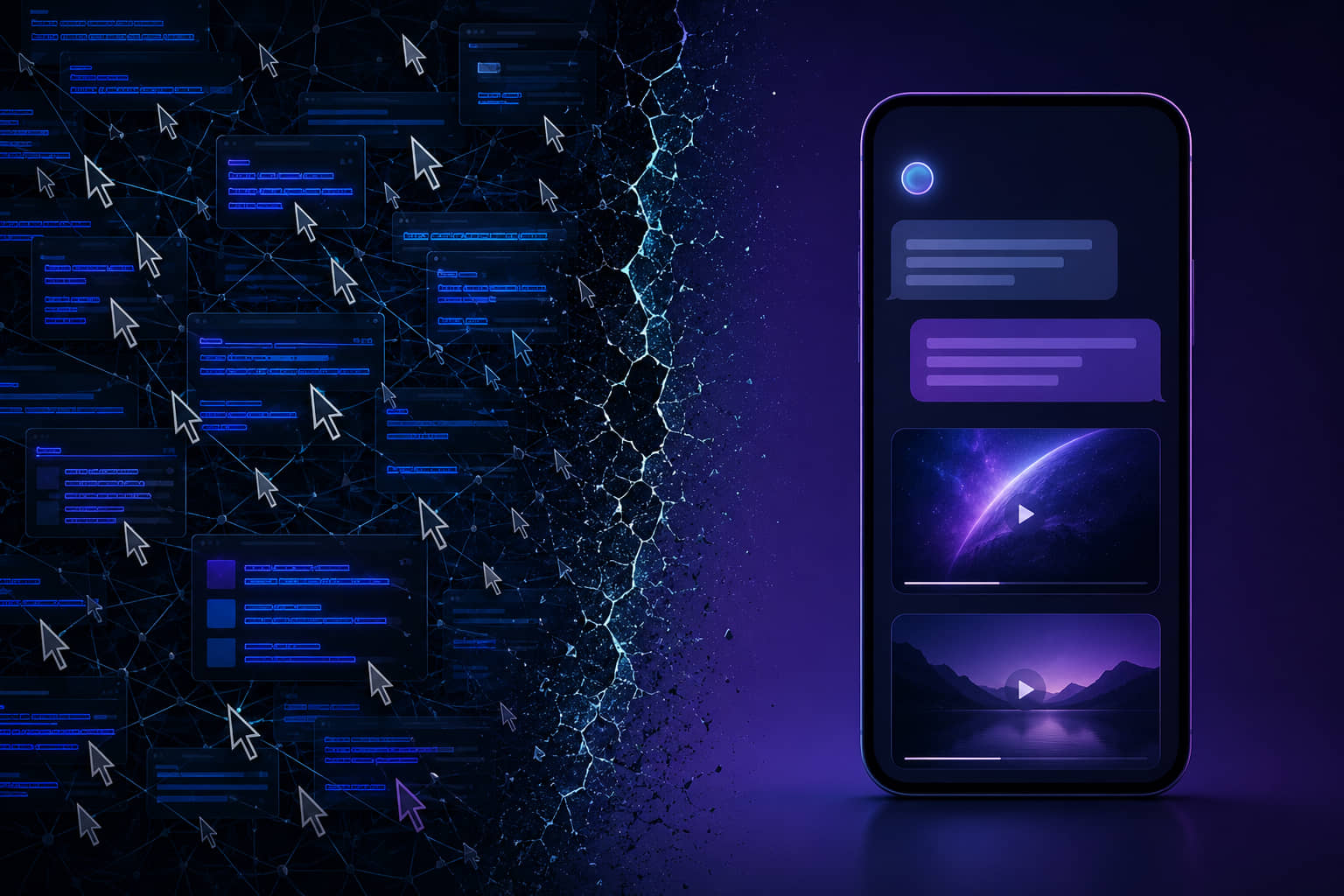
The web is turning into the Zero Click Internet, and it will change everything about how you do things online. Zero Click Internet means you will no longer need to click on links to find the content you want. In fact, much of the internet already works this way.
Platforms like Facebook and X (formerly Twitter) stopped promoting posts with links several years ago. This forced users to post content directly on those platforms rather than directing followers to external websites. Now, with generative AI in the mix, platforms have even more incentive to surface content directly, whether it is pulled from their own databases or created by artificial intelligence.
This phenomenon is not entirely new. It began when Google started answering simple queries directly on its search results page. But it has escalated significantly with the rise of AI chatbots and advanced recommendation algorithms.
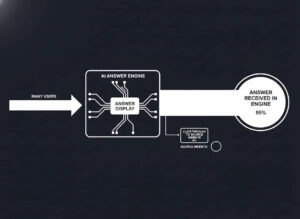
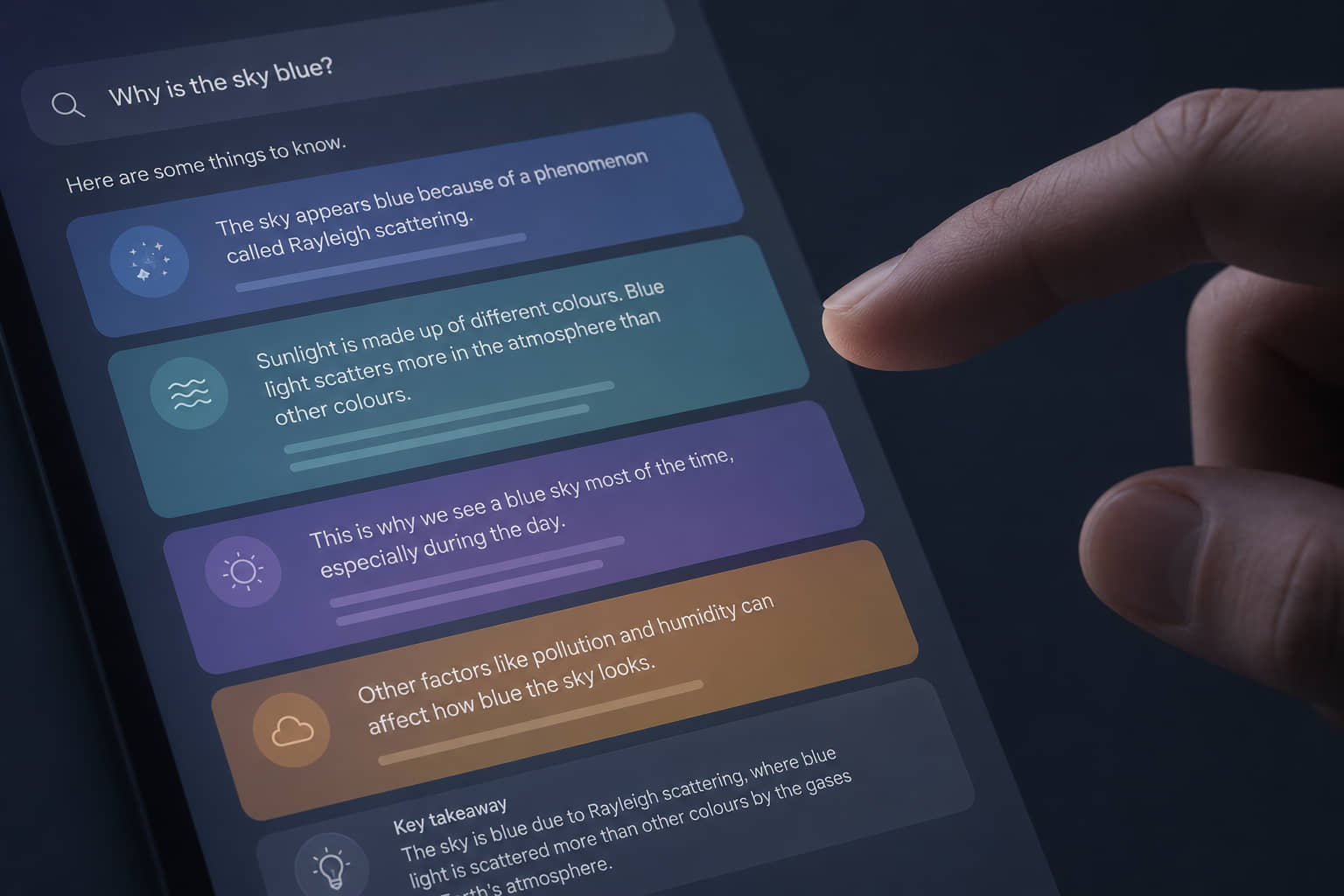
Google is now aggressively scraping content from websites and displaying it directly in search results. The few search results that remain are buried so far down the page that almost no one sees or clicks on them anymore. And Google plans to bury them even further in the coming months. That is what a Zero Click Internet means: an end to users visiting websites altogether.
Instead, you will spend all your time on a small handful of platforms and apps, such as Google or TikTok, and never leave them. The impact this will have, not just on your experience but on the world, will be massive.
A Zero Click Internet means the end of digital publishers. The small ones will go first. Most of those will be out of business by the end of this year. Then the medium ones will vanish, likely gone by spring. Eventually, most of the big publishers will also go under. Those that survive will do so by signing contracts with platforms like Google or OpenAI (ChatGPT) to create content specifically for those platforms to scrape.
Domain names will no longer have any value, because visiting websites will no longer account for a significant portion of internet traffic. This will spell the end for most domain registrars, such as GoDaddy, and other companies whose entire business revolves around selling domains.
The web hosting business will contract as the number of existing websites shrinks and the resources needed to run the remaining ones decrease. Most smaller hosting companies will likely be out of business by the end of 2025.
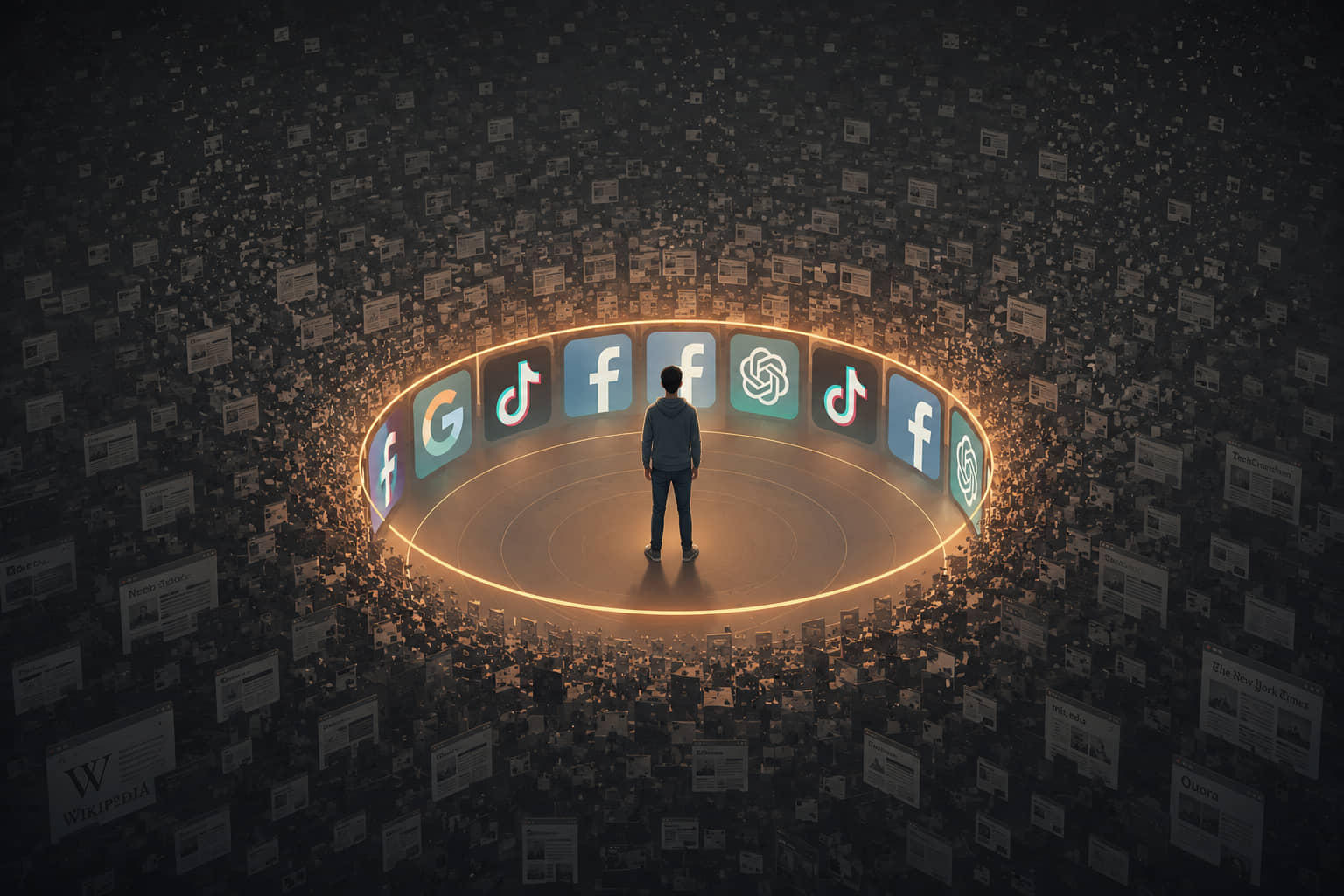
The independent internet advertising business is also finished. All advertising will be controlled by the major platforms. Google, Meta (Facebook), Amazon, and a handful of others already account for more than 60 percent of all online ad spending.
Consider this: Google and TikTok do not buy ads from independent networks like Raptive or Playwire, which sell ads on medium-sized websites, because the big platforms handle advertising themselves. As publishers vanish, these networks will have no websites on which to sell ads. They will likely be out of business by the end of 2025 as well.
The SEO industry is also doomed. SEO becomes meaningless when there are no clicks. Currently, SEO firms can survive the death of digital publishing by focusing on local or niche SEO, but even those areas will eventually be absorbed into the Zero Click environment.
That environment is largely driven by who will pay the most to appear at the top of a platform's results (on Facebook, Google, TikTok, Instagram, LinkedIn, and so on) and who is willing to conduct all their business on that platform. Visibility will be determined by contracts, rendering SEO irrelevant.
Each of the industries I have mentioned is worth billions of dollars, and none of them will exist as a significant business by the end of 2026. As for users, information will totally vanish. You will only be able to find information that someone has paid to allow you to see.
The Zero Click Internet will limit you to the kind of surface-level information you might once have found in a good set of encyclopedias. The deeper resources you could once turn to will no longer exist, except perhaps as fragmented remnants in the mind of an unreliable large language model.
That is what the future looks like in the now totally inevitable, all-encompassing ecosphere of the new Zero Click Internet.
This very column is a product of the Zero Click Internet. It was originally published as a thread on X. A year ago, I would have posted it as an article on my website. But if I had done that now, no one would have seen it. That is why the fuss over what is happening with WordPress custom plugins seems a bit ridiculous. WordPress has no future in a Zero Click Internet. It is irrelevant.
And this is just scratching the surface of the impact a Zero Click Internet will have. Own a website design and development business? Prepare to go out of business. Are you a graphic designer? Hopefully you work for Google, because otherwise your future is bleak. Even roles in cybersecurity and website maintenance will shrink as the number of active websites declines, and automations will increasingly replace human-led digital work.
This is the end of how things are and a shift into something else. Whether that shift is good or bad in the long run remains to be seen, but in the short term, we are going to witness upheaval on a scale that few are prepared to handle.